
On Tuesday morning, February 10, we were at Building 1 helping warm up Community Action for Veterans’ new space ahead of their open house.
It was a simple moment. Checking the heat. Making sure the space felt ready. Brightening faces with care.
Before the afternoon was over, two individuals from elsewhere in the building had already stopped in looking for collaboration. Veterans were being connected to services. Conversations were happening.
That is tenant fit in action, and mission alignment translating into activation.
Community Action for Veterans expands the profile of the Discovery District in a meaningful way. Their work is research-informed, data-driven, and focused on upstream suicide prevention, particularly among veterans not connected to VA services. Their proximity to USD Sioux Falls and the GEAR Center creates immediate access to social work interns, faculty expertise, and research infrastructure.
This is what we mean when we talk about placemaking.
It is not just about lab space. It is about aligning mission-driven organizations with university research, healthcare systems, and community need.
By Wednesday, Tung Nguyen, Dr. Dan Engebretson, and I were on our way to Minneapolis for the 2026 Medical Alley Summit.
The contrast was not lost on me.
On Tuesday, we were activating space for a nonprofit expanding from a one-person operation into a regional hub for veteran wellness. On Thursday, we were in conversations with global health innovators discussing AI, capital markets, reimbursement, and precision medicine.
The throughline was the same: alignment matters.
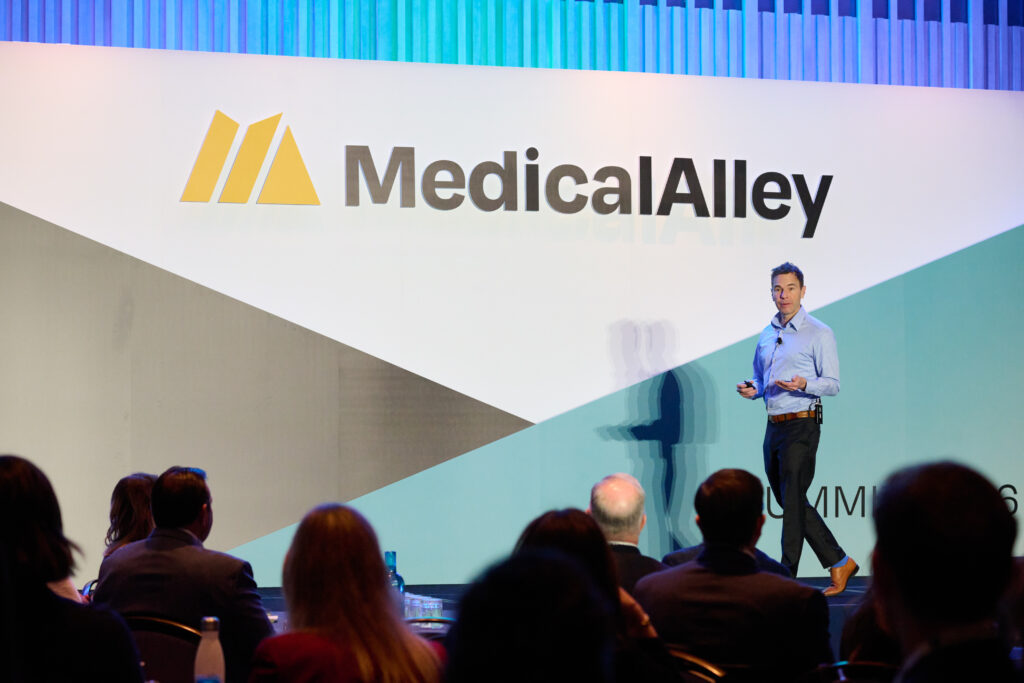
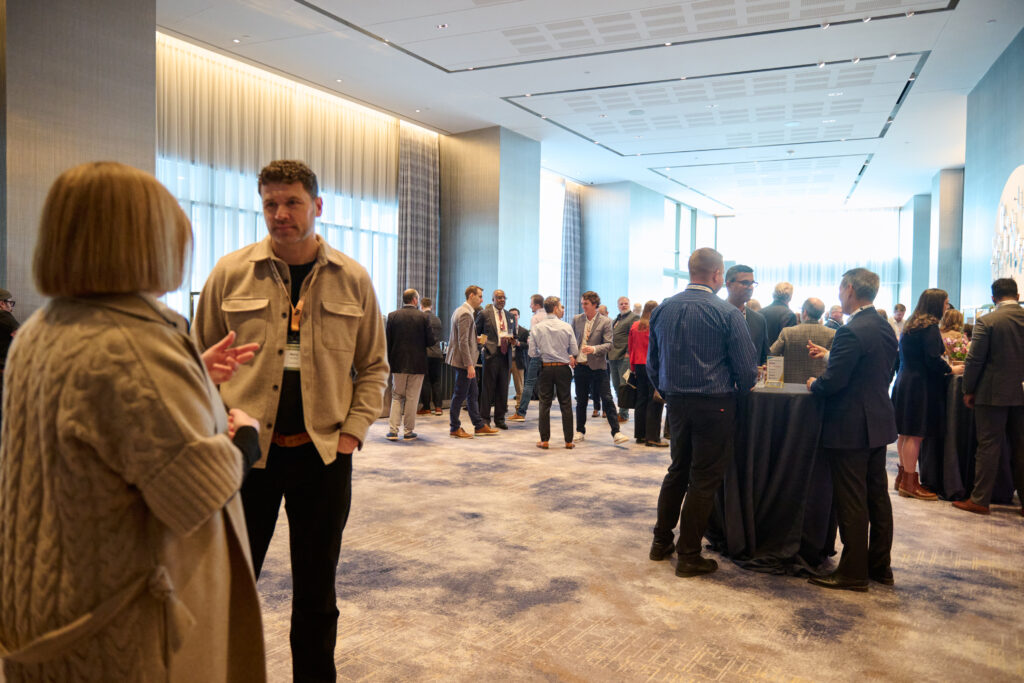
Last week in Minneapolis, more than 300 partners gathered for the 2026 Medical Alley Summit. The conversations were forward-looking, but they were also practical. What struck me most was not just the pace of innovation. It was the shared responsibility to make it usable, trustworthy, and accessible.
For those of us building in bioscience and life sciences in South Dakota, that matters.
It was also encouraging to see how strongly South Dakota was represented. Sanford Health’s delegation, including Dr. Jeremy Cauwels and Natasha Smith, brought real perspective on rural access, system-level innovation, and patient experience. Around our table, leaders from Prosperous Robotics, the University of South Dakota, Francis Medical, Dakota Motion Labs, and others contributed to conversations spanning robotics, research, commercialization, and policy.
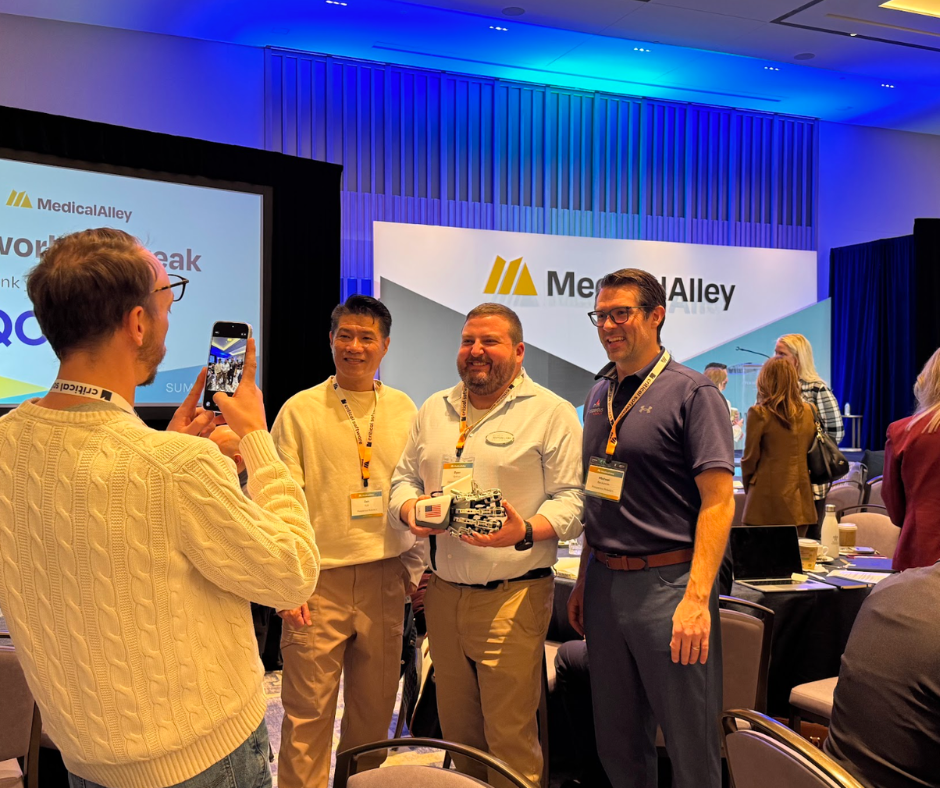
Different sectors. Shared direction.
That kind of representation reinforces something important: South Dakota is not watching innovation happen. We are participating in shaping it.
Start from Zero. Then Build.
Chris Barton, founder of Shazam, opened the Summit with a message that resonated deeply: start from basic truths. Question assumptions. Remove friction. Apply creative persistence.
Innovation rarely fails because the idea is too small. It fails because friction builds quietly — regulatory, behavioral, operational — and no one removes the boulders.
As a research park, reducing friction is part of our job.
If we are going to build a bioscience hub in Sioux Falls, we must make it easier for entrepreneurs, researchers, and partners to execute. That means thoughtful tenant fit. Clear alignment with university research. Strategic relationships with health systems. Infrastructure that works. A culture that says, “Let’s roll up our sleeves.”
South Dakota gives us a unique advantage here. We are land-rich. We are relationship-rich. We can move with focus and speed when alignment exists.
But speed without focus creates noise. Our responsibility is to protect the lane we are in.
Innovation Only Matters If It Reaches the Patient
Across multiple panels, one theme kept resurfacing: innovation must translate into better outcomes, ideally at lower cost.
Whether the discussion centered on rural access, precision medicine, or AI, the questions were consistent:
Does this improve care?
Does it expand access?
Does it reduce cost or increase efficiency?
Is it scalable?
Dr. Jeremy Cauwels shared how virtual visits at Sanford are saving patients an average of 176 miles per appointment. That is not theoretical innovation. That is access.
In rural states like ours, that lens is essential. The divide between urban and rural healthcare is real. The opportunity is to design systems that work in both environments.
For South Dakota, that creates space. Innovation here does not need to mimic larger markets. It needs to solve real problems with clarity and operational discipline.
That mindset is attractive to serious builders.
AI Is Not a Technology Problem. It Is a Trust Problem.
One of the most candid moments came during the AI discussion. A panelist said it plainly: AI has left the lab, but it has not found its bedside manner yet.
That stuck with me.
AI is accelerating. Mayo Clinic has digitized 17 million pathology slides. GE Healthcare has more than 1,000 FDA-approved AI-enabled tools. Medtronic continues integrating AI into devices when it improves outcomes and efficiency.
But across every example, the theme was consistent: keep a human in the loop. Build responsibly. Earn trust.
At the Discovery District, this reinforces our approach. We are not chasing every trend. We are building an ecosystem aligned to bioscience and life sciences where innovation can be tested, translated, and trusted.
Trust is infrastructure.
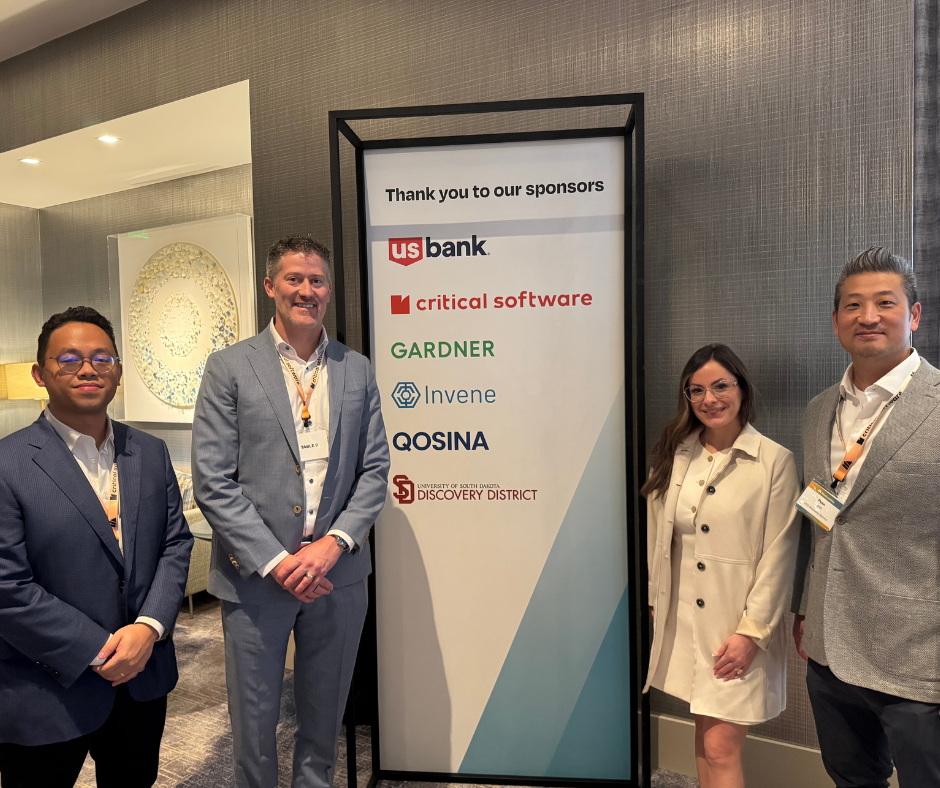
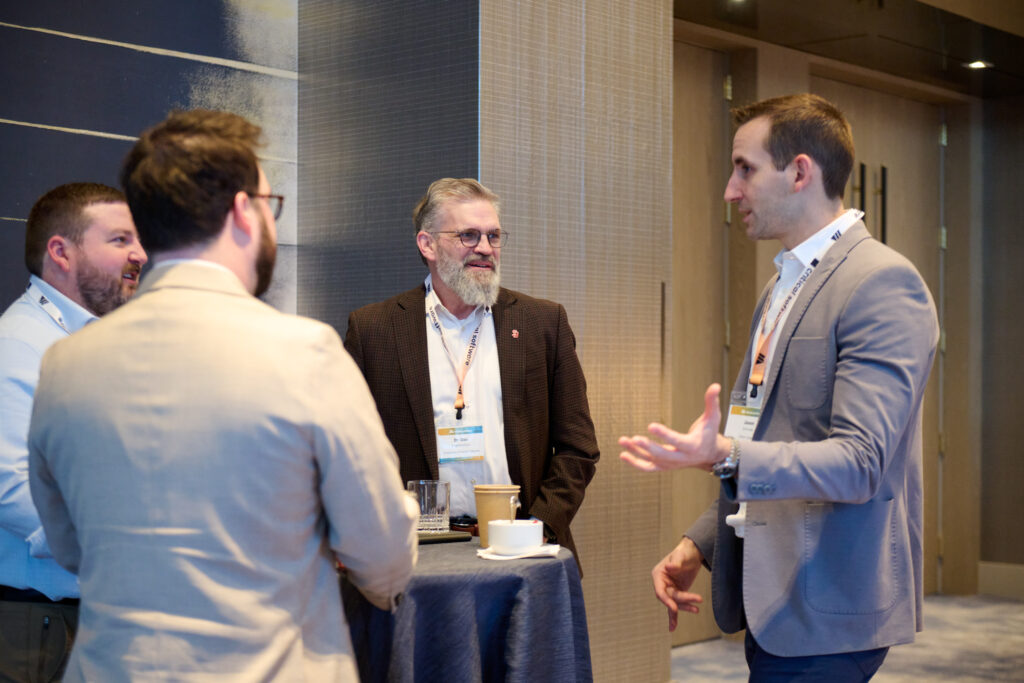
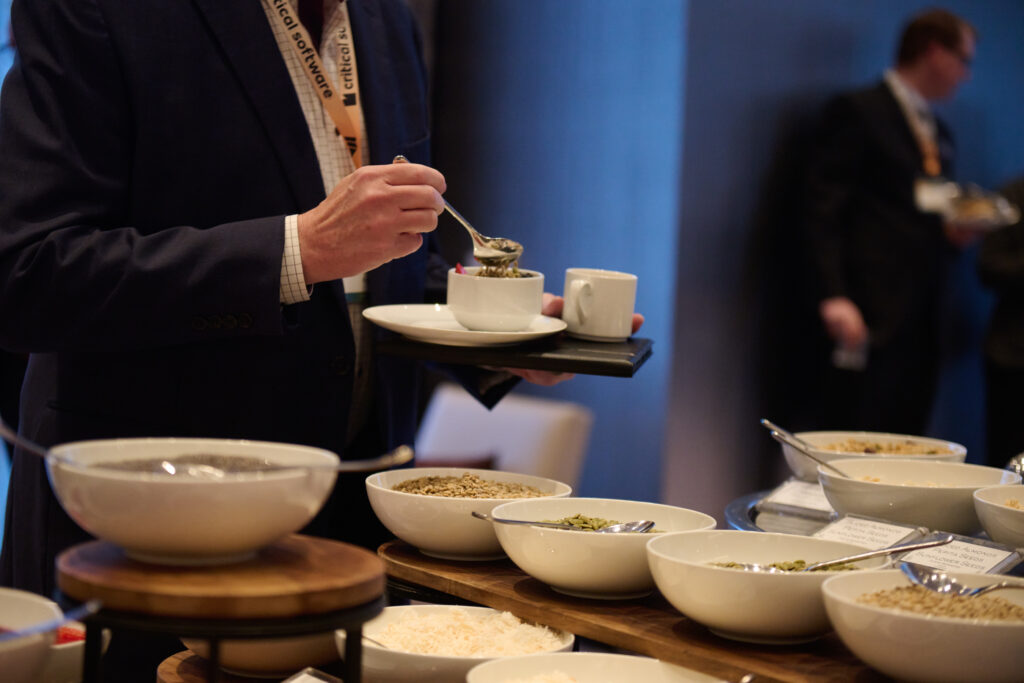
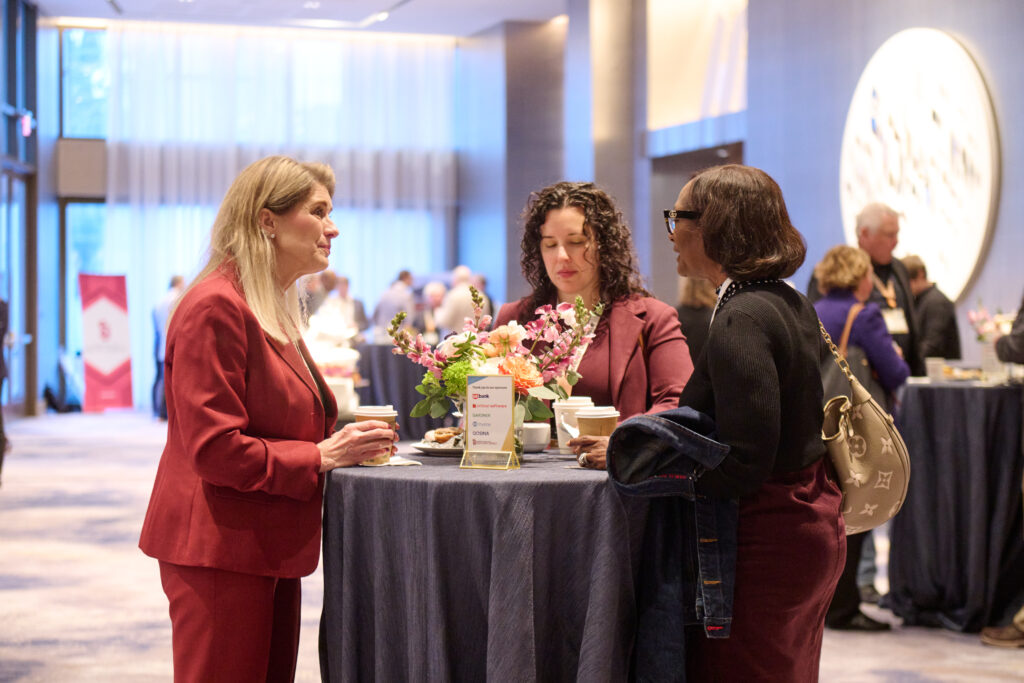
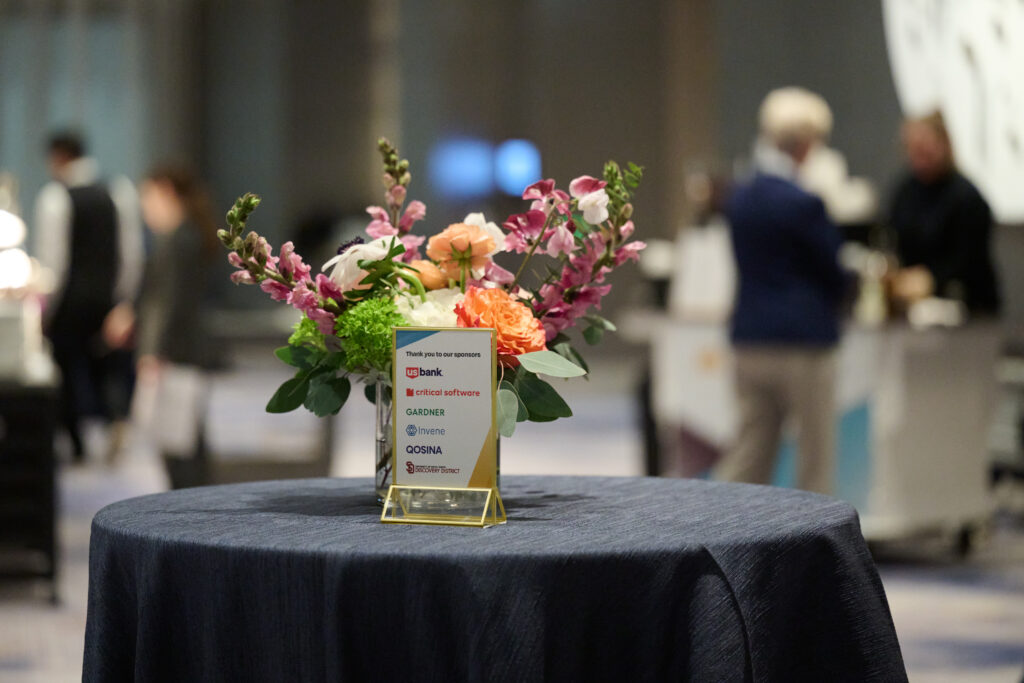
As such, the USD Discovery District was proud to return as a sponsor of the Summit reception, where policy, capital, and care delivery intersected informally.
Policy, Capital, and the Reality of Execution
Another strong theme was the complexity between FDA approval, CMS reimbursement, and capital markets.
Approval does not equal adoption. Reimbursement drives utilization. Utilization drives value. Value attracts capital.
Healthcare remains politically complex. Regulatory timelines fluctuate. Interest rates change capital models. These are not side conversations. They are part of the operating environment.
Medical Alley continues to serve as a trusted convener across industry, policy, and care delivery. That ecosystem model is instructive.
If you are building in bioscience, you cannot think sequentially. Research, regulation, reimbursement, capital, and workforce are interconnected from day one.
That is how we are thinking about growth in Sioux Falls.
What This Means for the USD Discovery District
We are a patch in the region’s quilt. Focused. Complementary. Mission-driven.
Our lane is bio and life sciences. Protecting that focus protects long-term value for tenants, partners, and the broader region.
Building 1 is online. We are advancing additional projects with measured timelines. We are strengthening programmatic ties with the University of South Dakota and deepening relationships with regional health systems and private industry.
The Summit reinforced three principles for our work:
- Protect focus. Not every opportunity is the right fit.
- Build trust. Innovation must be operationalized and adopted.
- Connect the ecosystem early. Research, regulation, reimbursement, and capital are not sequential. They are interconnected.
South Dakota has the advantage of clarity. We can align quickly. We can build deliberately. And we can collaborate across sectors without unnecessary friction.
That is not accidental. It is cultural.
The conversations in Minneapolis were grounded in what works and what does not. That is helpful.
Because building a research park is not just about facilities. It is placemaking for people, ideas, and companies to thrive.
If you are building in bioscience or life sciences and looking for a focused, collaborative environment to execute, we are building that here.
Appreciate the partnership. Let’s keep moving the mission forward.