
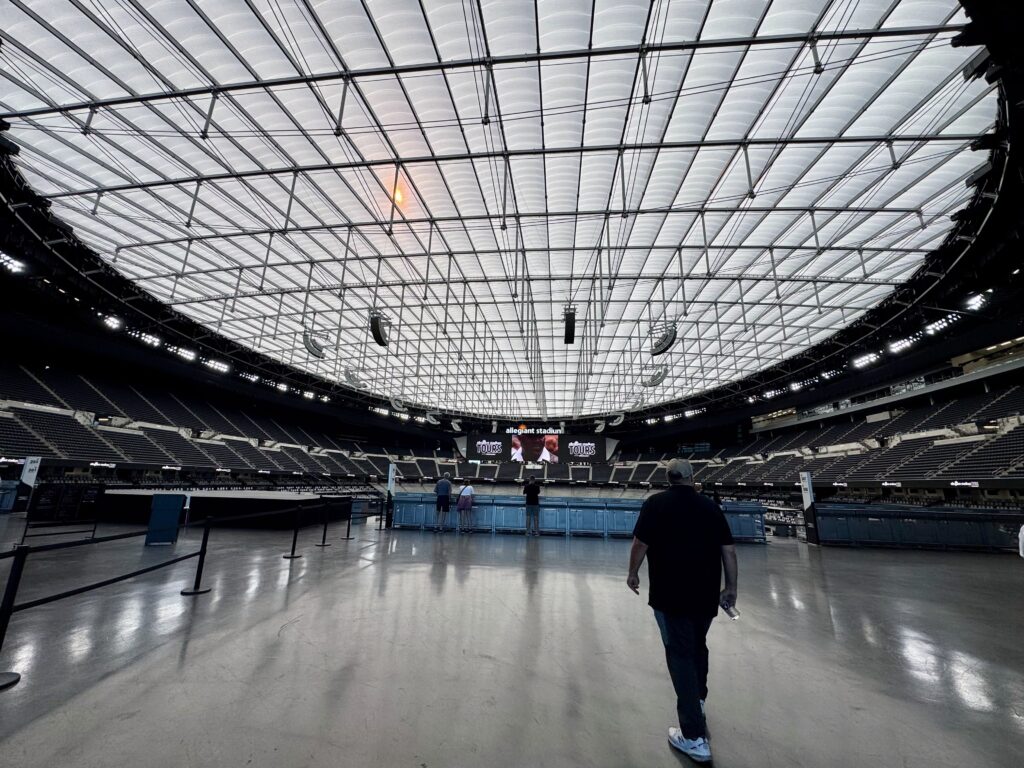
At this year’s Association of University Research Parks (AURP) International Conference, one theme rose above everything else. Research parks in the United States succeed when they give innovators one thing that is becoming rare in the United States.
They give them time.
Not theoretical time. Not philosophical time. Actual operating runway.
That message came through in conversations I had with founders, economic developers, and park leaders from across the country. Whether a company was building advanced therapeutics, AI driven diagnostics, or scaling manufacturing infrastructure, the barrier was always the same. The money runs out faster than science can mature.
While reading an early draft of our 2025 Market Study, one quote from Tung’s interviews stayed with me. An international life science company told him that the same amount of capital that lasts five years in Boston could last ten years in South Dakota. I paused over that sentence. It puts numbers to what many founders have been telling us in different ways. They want a place where their science has room to mature.
At AURP, the data confirmed exactly that point. In an economic climate where traditional commercial office space has hit vacancy rates above eighteen percent in some markets, research parks in the United States are holding steady at nine percent and are projected to fall even further by 2030. These districts are outperforming because they are built for the type of work that cannot be outsourced. They support labs, pilot facilities, manufacturing, regulatory preparation, and the kind of collaboration that only happens in favorable environments.
AURP reminded me that the regions that understand this reality are the ones shaping the next decade of American innovation.
South Dakota can be one of them.
What surprised me most in D.C.
A few weeks before AURP, I spent a few days in Washington, D.C., coaching a cohort of South Korean startup founders at the K Startup Showcase. It was not a planned part of my role. It was simply an opportunity where a group of ambitious teams needed someone to help them think through the realities of entering the U.S. market.
Most of the real work happened throughout the year, prior to the event kickoff. Our late night meetings covered market fit, regulatory pathways, and how companies in emerging biotech markets can build credibility when they expand into the United States.
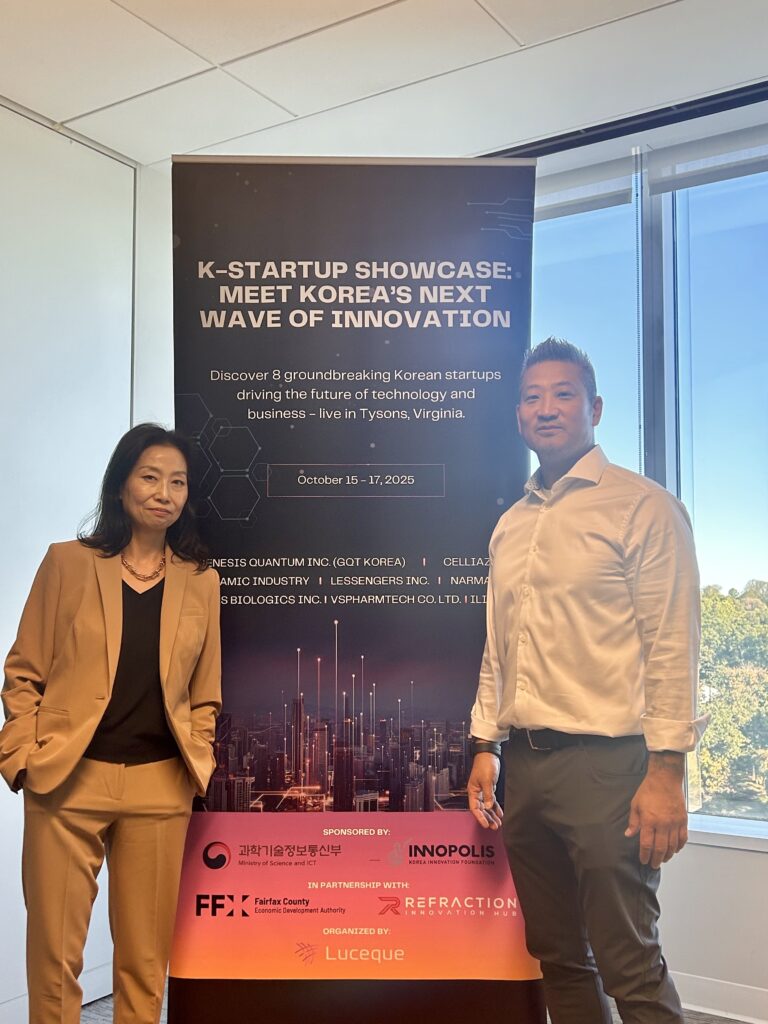
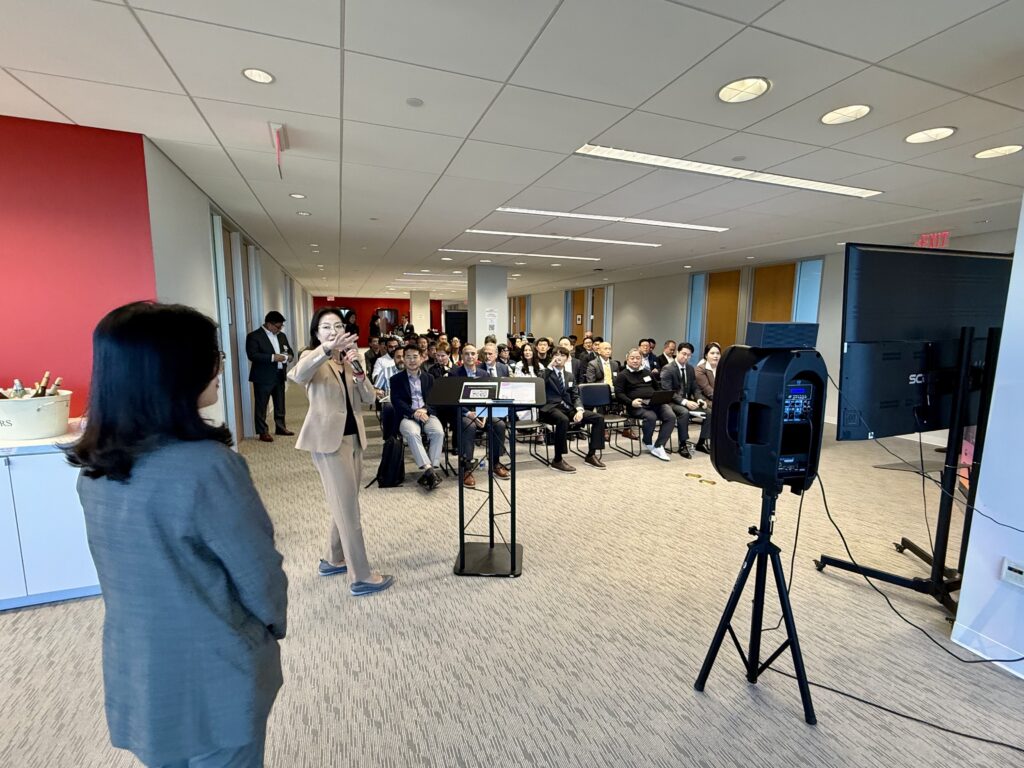
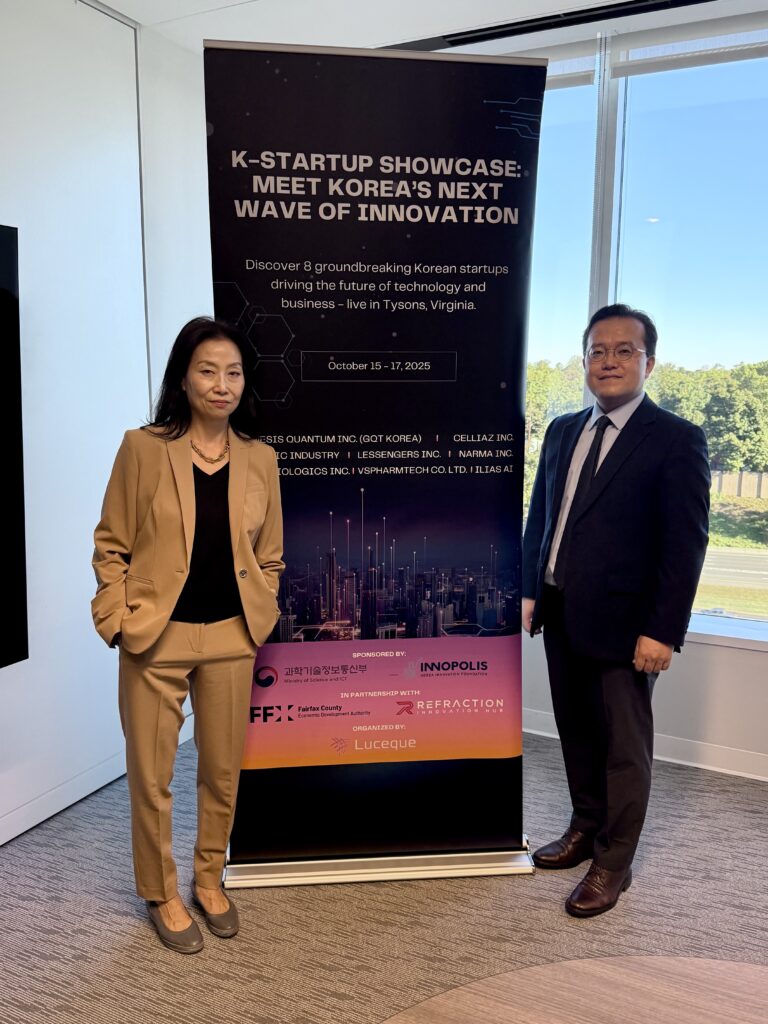
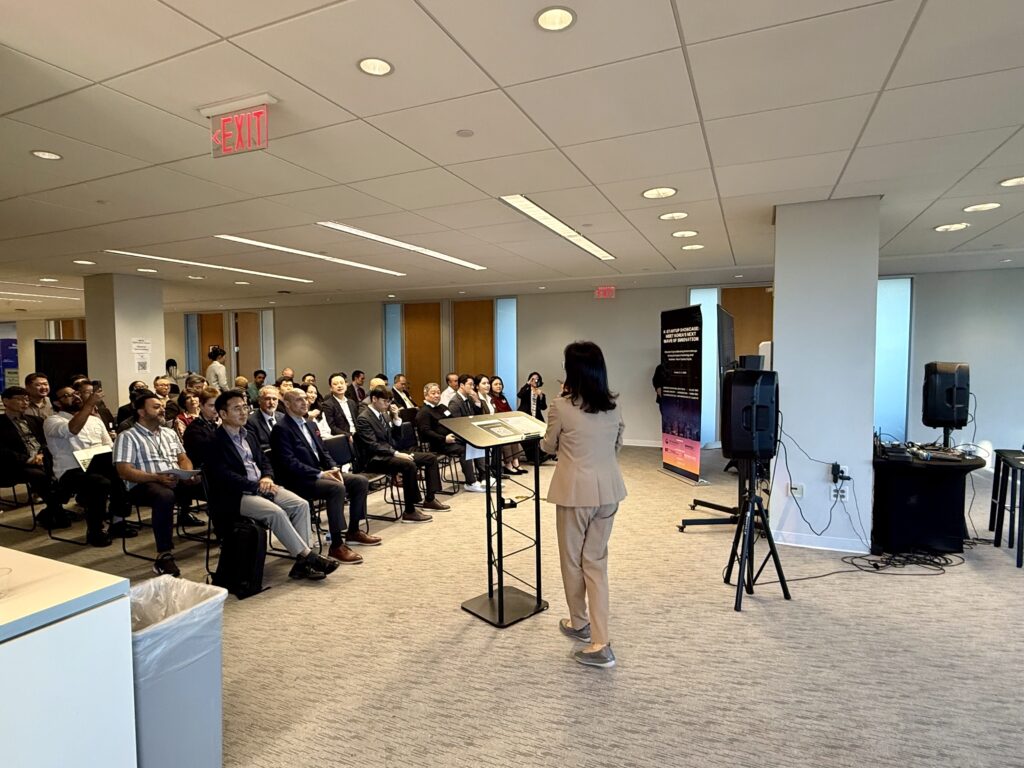
These were not formal meetings. They were honest conversations about what it means to build a company in an unfamiliar environment. I saw in those moments the same thing I see in companies we meet in South Dakota. Founders are not only searching for capital. They are searching for clarity, alignment, talent, and a place where forward progress is not slowed by friction.
What followed surprised me. Luceque is now interested in placing five companies into the next Tech 2 Launch program, planned for early next year. With the support of Sanford Health, Tech 2 Launch (T2L) started in 2022 and is a USD program that supports South Dakota’s tech entrepreneurs by providing back-office business support so that inventors can focus on innovation. There are early conversations about how South Dakota can support soft landing pathways for international founders who want to build here.
None of that was on my agenda when I walked into the room that morning. But it is now part of our opportunity.
Research parks outperform because they lower friction
At AURP, leaders talked openly about the operational burdens that slow companies down. Permitting delays. High facility costs. Misaligned incentives between universities and private partners. Fragmented state and federal programs.
Every region is trying to solve these issues in different ways. Some do it through scale. Others do it through decades of investing in infrastructure. Some do it through proximity to major federal agencies.
South Dakota does it through clarity and speed.
That is our competitive advantage. Not only affordability, but the ability to reduce friction in the moments when founders need to move quickly. I heard this repeatedly from companies in D.C. They do not only choose markets based on incentives, they choose communities where efficiency and resources live, where the work gets easier instead of more difficult.
It is easy to overlook the importance of this because it does not always show up in a master plan or a ribbon cutting. But at AURP, the most successful districts used the same language. They talked about coordinated state leadership, predictable processes, shared priorities, and a culture of showing up.
That is exactly what we are building in South Dakota.
We are earlier in our journey, but we are not behind
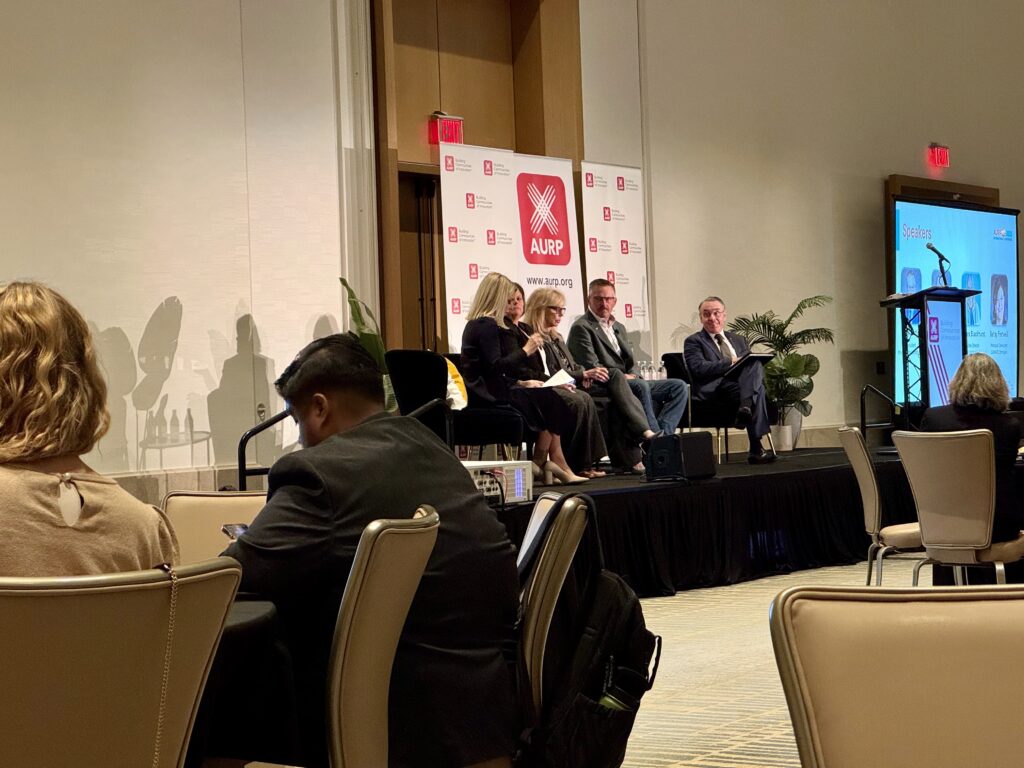
Sitting in sessions with districts that have been operating for thirty years, I found myself thinking about where the USD Discovery District is today.
We do not have the age or scale of the legacy parks. We do not have dozens of buildings or thousands of tenants. But AURP made me realize that this is not the only measure of readiness.
What matters most is whether a district can provide time, alignment, and a sense of possibility.
Building 1 gives us the physical foundation. Our partners give us credibility. And the growing number of companies who reach out to us, from within the state and across the world, give us early proof that our model is resonating.
We are not trying to replicate Boston or San Diego. We are building a place that reflects who we are. A place where founders can extend their runway, where research and business can meet in practical ways, and where the distance between an idea and a product gets smaller with each passing year.
A closing thought for the road ahead
One of the speakers at AURP said something that I think about constantly since returning home, “…innovation districts grow through years of consistent work, not through any single moment.”
I believe that is true. And I believe that is the work in front of us.
In South Dakota, we have the ingredients. We have a university that is growing its research capacity. We have partners who believe in the long term mission. We have companies, including international teams who are just now discovering us, who see the opportunity to build here.
The next chapter will require clarity, alignment, and a willingness to show up. If AURP taught me anything this year, it is that the future belongs to the communities that take this work seriously.
I believe South Dakota can be one of them. And I believe the USD Discovery District can help lead that path.