
In less than 48 hours, students built working products and pitched them.
That part isn’t unusual anymore. Hackathons have made speed feel normal.
What stood out at the University of South Dakota’s first-ever hackathon was how far those teams pushed their ideas in that time, and what that revealed about the pipeline behind them.
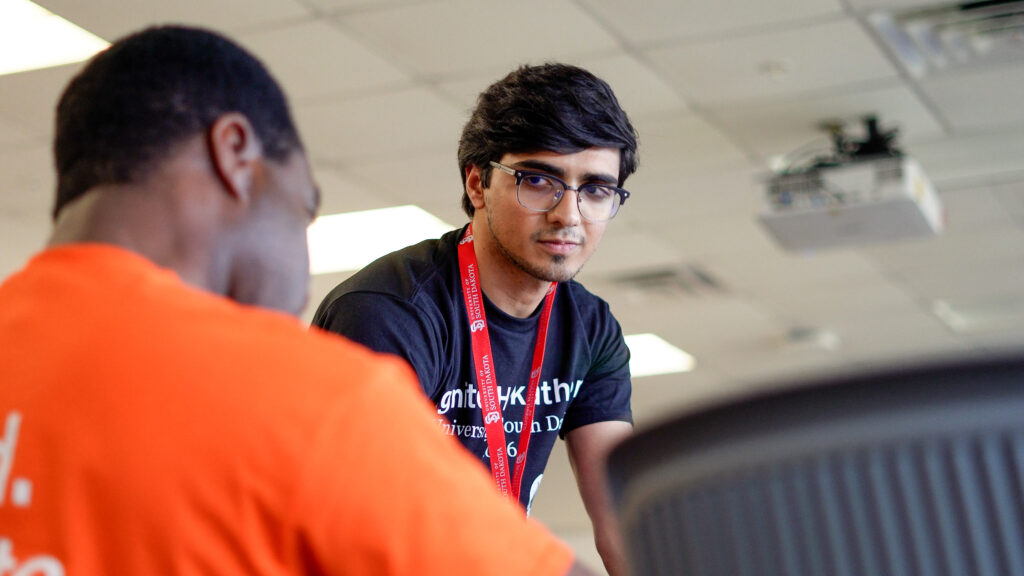
More than 35 students took part in the weekend event, hosted in partnership with Wildfire Labs. By Sunday afternoon, teams were presenting projects across healthcare, cybersecurity, transportation, education, and nutrition.
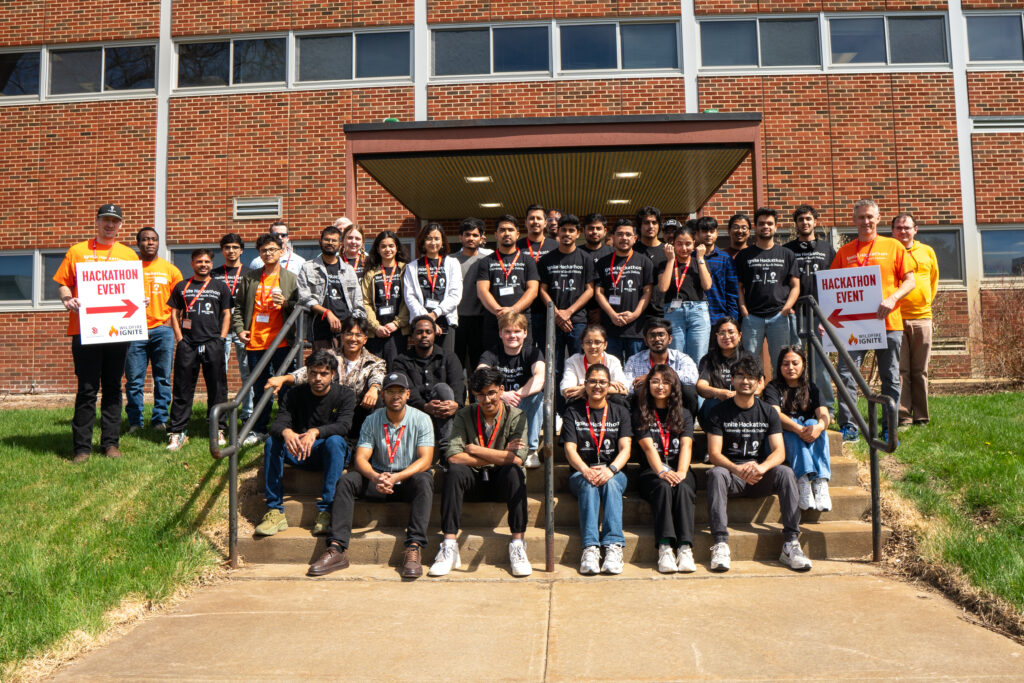
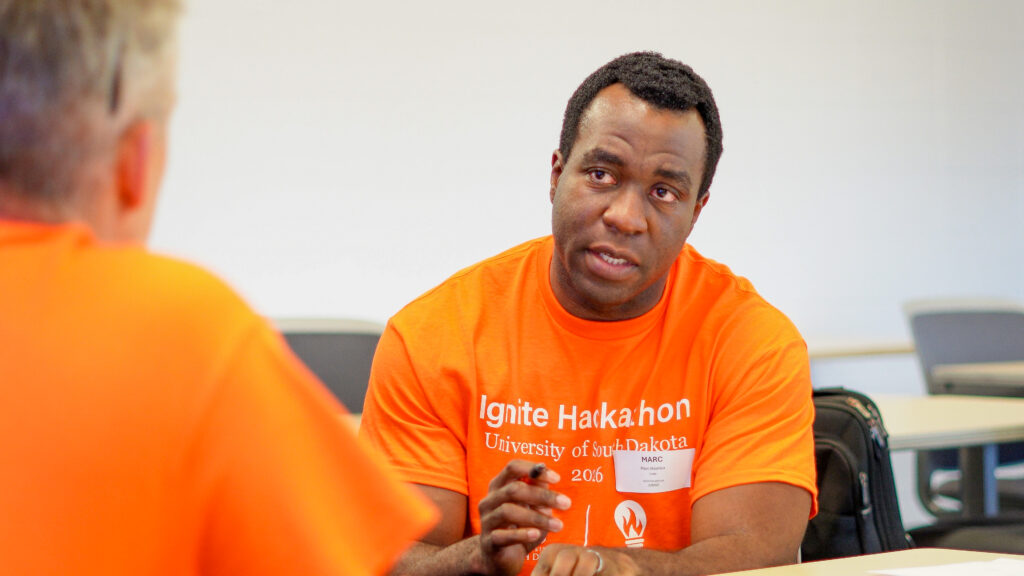
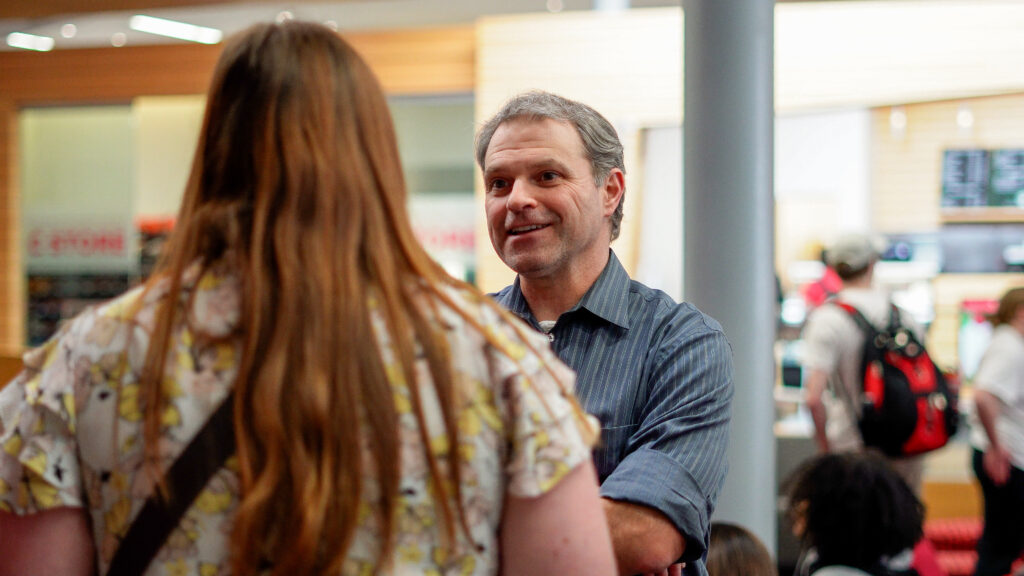
Tung Nguyen, a partner at Thel Consulting who supported the event and captured media throughout the weekend, watched it unfold from the floor as teams worked through both days. Marc Niamba, Director of Biotech Development at USD Discovery District, mentored teams and evaluated their work in real time.
What showed up over that weekend did not come out of nowhere. It reflects a broader shift already underway at USD toward student-led innovation, real-world problem solving, and a growing emphasis on what happens after ideas leave the classroom.
What showed up in 48 hours
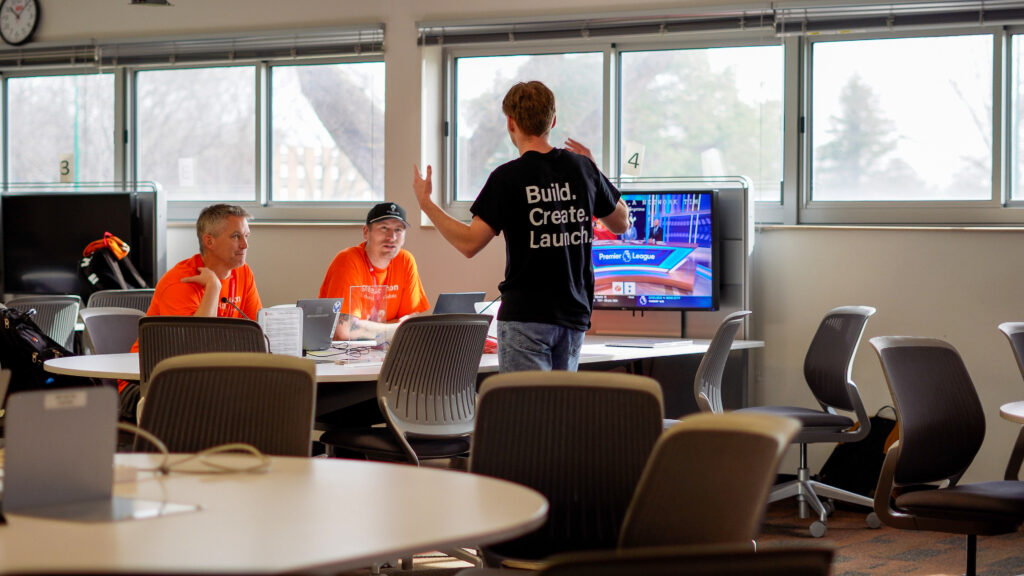
In the days leading up to the event, student teams had already completed training sessions. Mentors from USD showed up throughout the weekend, offering hands-on guidance.
“That level of preparation told me this wasn’t going to be a casual weekend coding jam,” Nguyen said.
The format was simple and unforgiving. Less than 48 hours to build a working prototype or at least a compelling demonstration, and then deliver a 10-minute pitch that explained both the technology and its commercial potential.
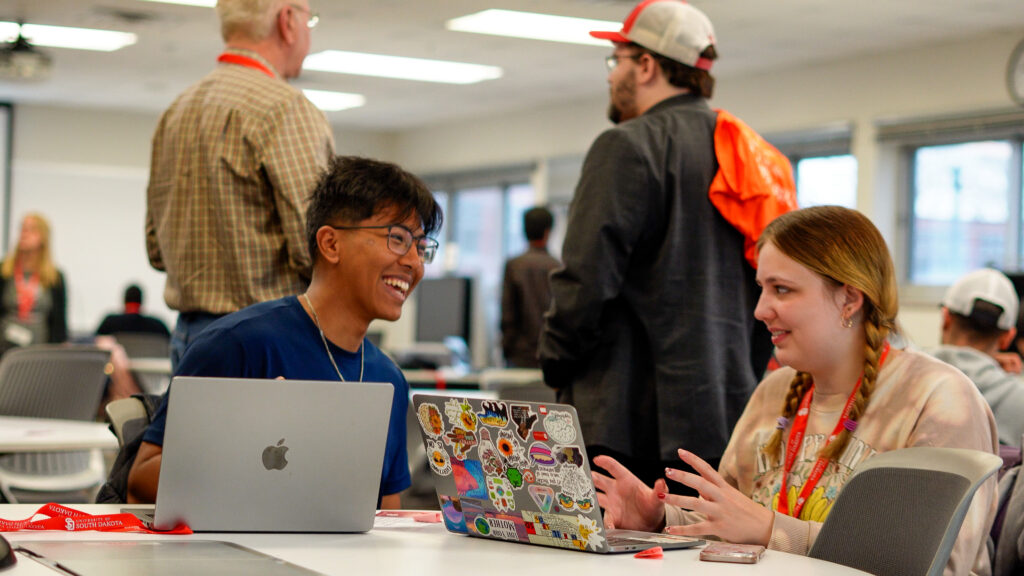
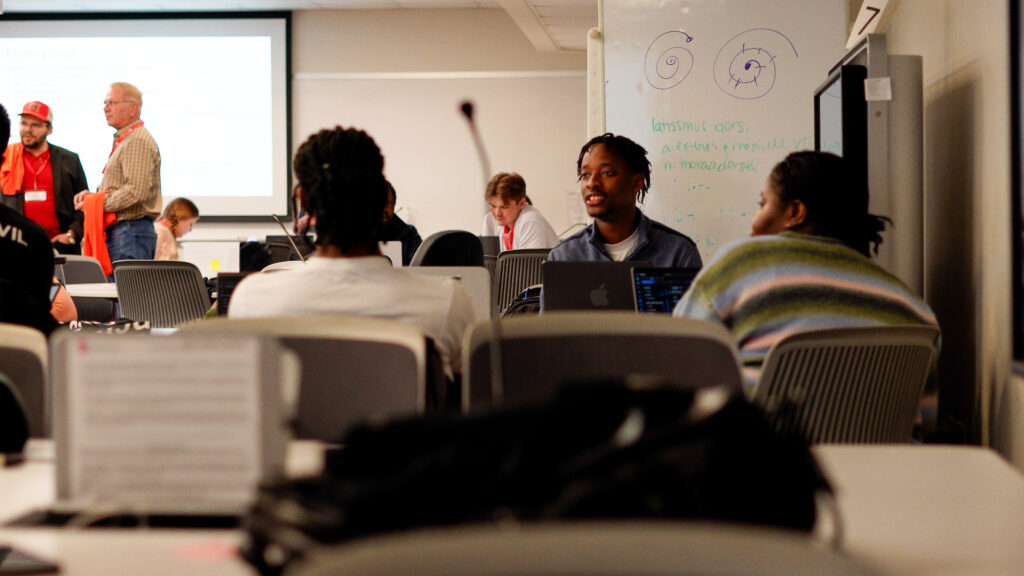
By Saturday afternoon, the room had settled into focus.
“I stayed on campus until 8 p.m. that night and saw teams still hard at work,” Nguyen said. “The next morning I learned some groups had pushed through until 4 a.m.”
By Sunday, the pressure was visible.
“Walk down any hallway and you’d see students frantically asking mentors last-minute questions or racing to finalize slides,” he said. “But when pitch time arrived, something remarkable happened.”
The urgency gave way to something more composed.
“Every presentation carried a palpable mix of nerves and relief, the collective sigh of ‘We survived this together,’” Nguyen said. “It never felt cutthroat. It felt like a shared victory lap.”
The teams that stood out
A few teams captured what the weekend made possible.
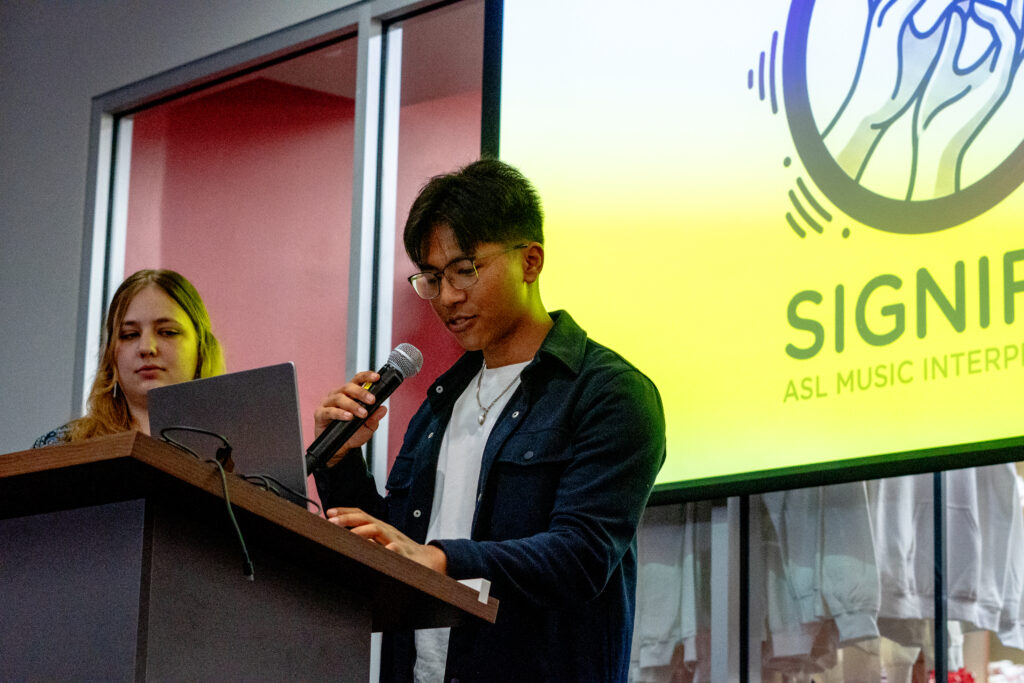
First place: Signify
A two-person team with little to no coding experience, who had never met before the event. Their project, an American Sign Language (ASL) music interpreter, stood out for both its clarity and its impact. It addressed an accessibility gap that many people without hearing loss rarely consider. They delivered a functional demo, a polished pitch, and a clear sense of purpose.
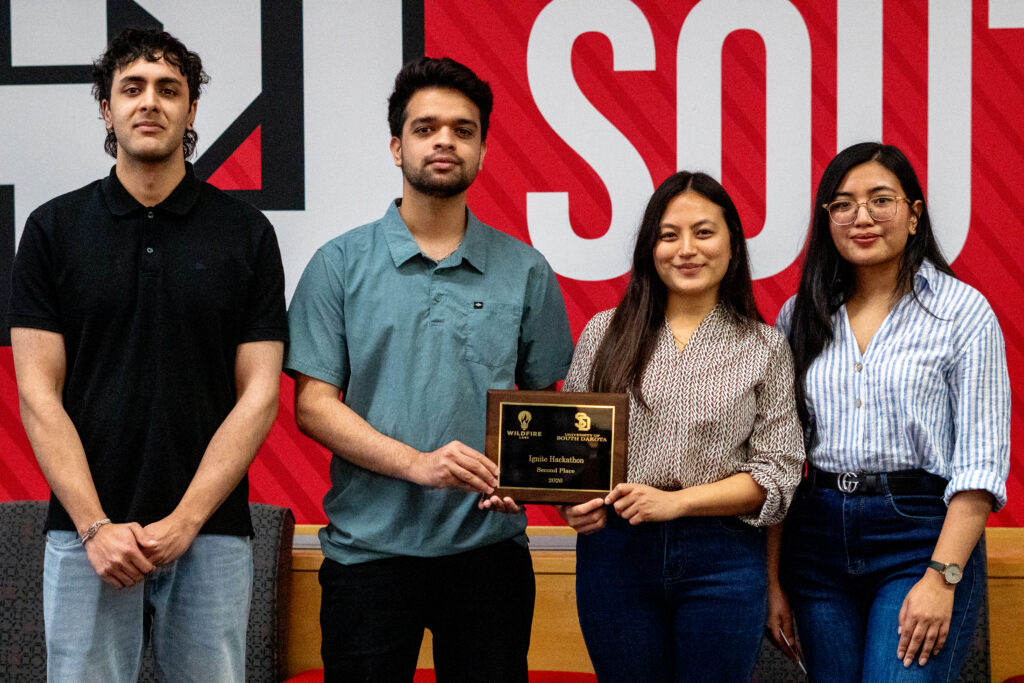
Second place: CampusRide
A three-student team focused on improving ride-sharing for smaller college communities like USD in Vermillion. Their approach centered on making campus transportation safer, more reliable, and more connected.
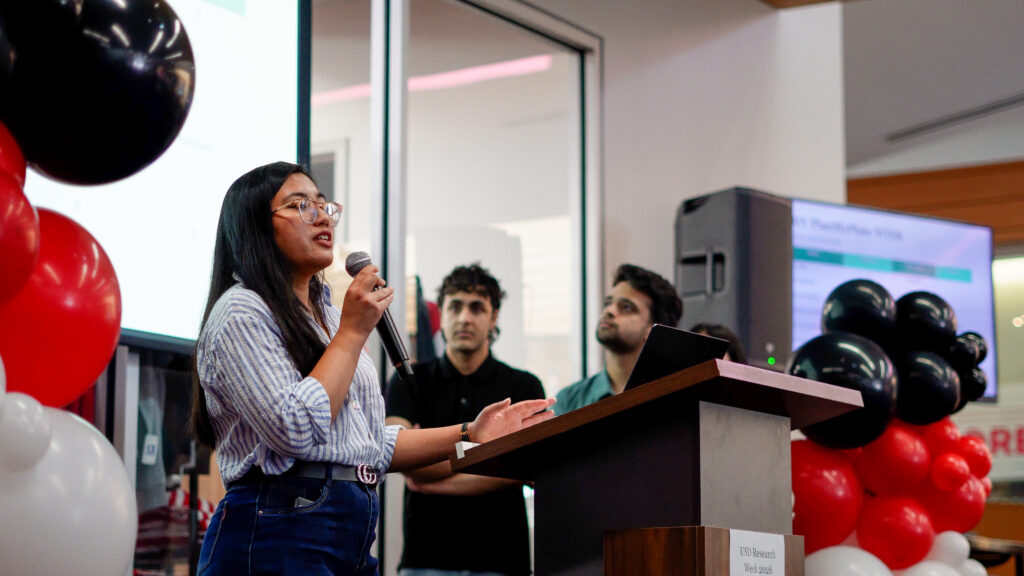
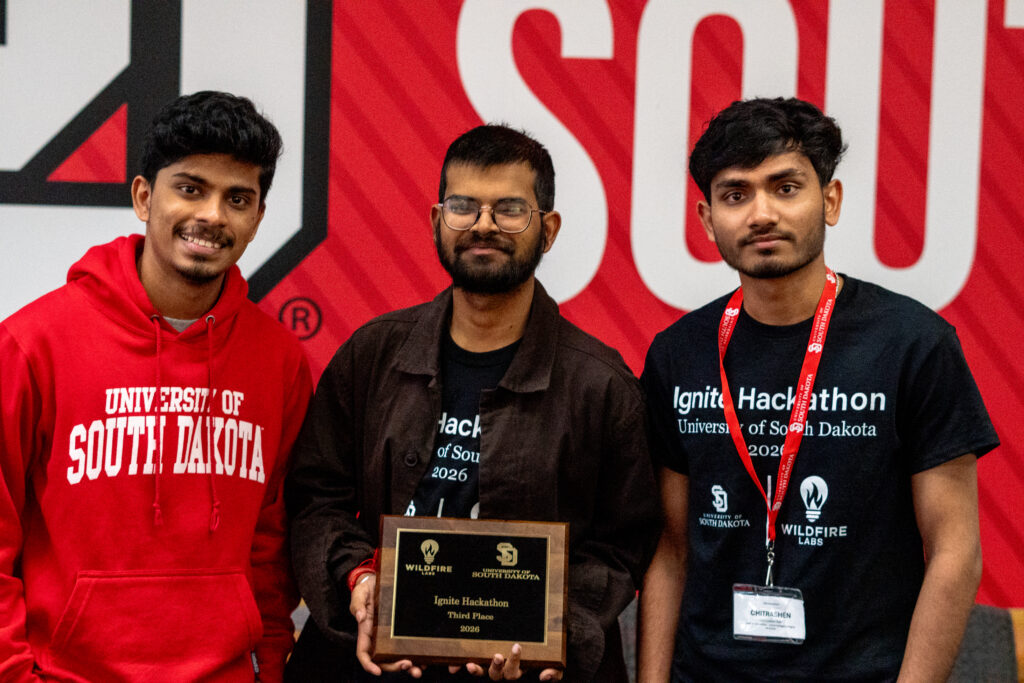
Third place: PlanMyPlate
An app designed to help students manage groceries, recipes, calories, and meal planning. A practical tool aimed at building healthier habits within the realities of college life.
More depth than expected
For Niamba, the technical side stood out immediately.
“What stood out to me was the range of technologies, both in their domain of applications and their technical make up,” he said.
He expected to see teams using the latest tools. That part held.
“I generally see people integrating LLMs in the technologies they develop,” he said. “But I rarely see people baking into it the old school methods that I learnt as a student.”
At USD, they were doing both.
“So that felt nice to see that those students were still relying on classical methods to save on maintenance costs for their products.”
It was not just what they were building. It was how far they pushed it.
“As far as technology development goes, this was absolutely amazing,” Niamba said. “Most of the teams who competed demonstrated their working prototypes, and still managed to have a business presentation ready for pitching to the judges.”
He went into the weekend thinking he understood the level of technical capability in the local pipeline.
“I used to think I had a good handle on the level of tech savviness of USD students,” he said. “I was so wrong.”
“What was produced in the hackathon could have competed with what I observed at Giant Vision, and they only did it in two days.”
Where the gap still exists
If the technical side felt ahead of expectations, the business side told a different story.
“The teams were very technical, but still rookies on the business side,” Niamba said.
That showed up in the details.
“Some of the markets being addressed were quite small, and the price of services were generally unsustainable.”
But he did not frame that as a failure.
“They only had two days to assess their ideas, so I was satisfied with their output,” he said.
The instinct behind the ideas still mattered more.
“They all chose their ideas because they believed they were solving a problem,” he said. “That’s the right starting point.”
What comes next is different work.
“They should definitely participate in the NSF I-Corps program, or compete in other local business competitions to face some more criticism.”
And more time to do what they started.
“If these groups could fail and iterate, they will end up with solid business ideas.”
That gap between building something and proving it has been a known challenge in research and innovation environments.
At USD, part of the response has been to lean into volume and iteration.
“If we get two out of ten to be successful, that’s good,” said Dan Engebretson, USD’s Vice President for Research and Sponsored Programs, in a recent interview on how the university approaches early-stage innovation. “But you have to have quite a few tens in order to get there.”
A weekend like this is one of those attempts.
A different kind of advantage
For Nguyen, the takeaway was not just technical.
Watching the teams work, he kept coming back to how they thought.
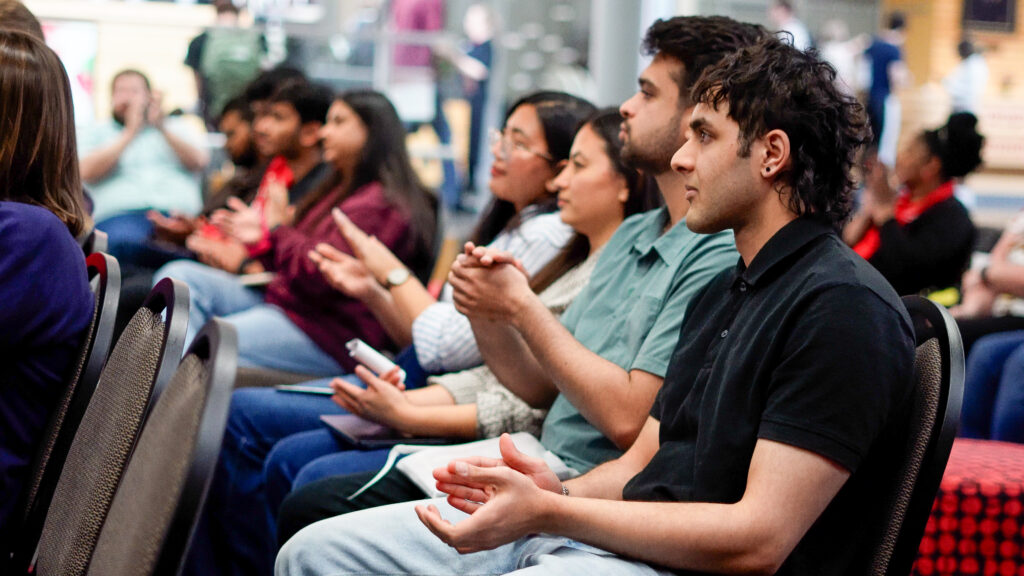
“These aren’t students from hyper-specialized engineering schools,” he said. “They bring strong technical skills while also carrying broad perspectives from the humanities, social sciences, and beyond.”
That showed up in the problems they chose to solve.
Accessibility. Nutrition. Transportation. Everyday systems people interact with, not abstract challenges.
“That holistic worldview shows up in the problems they choose to solve and the empathy they bring to the solutions,” Nguyen said. “It’s the secret ingredient that makes USD talent stand out.”
It also showed up in how they worked.
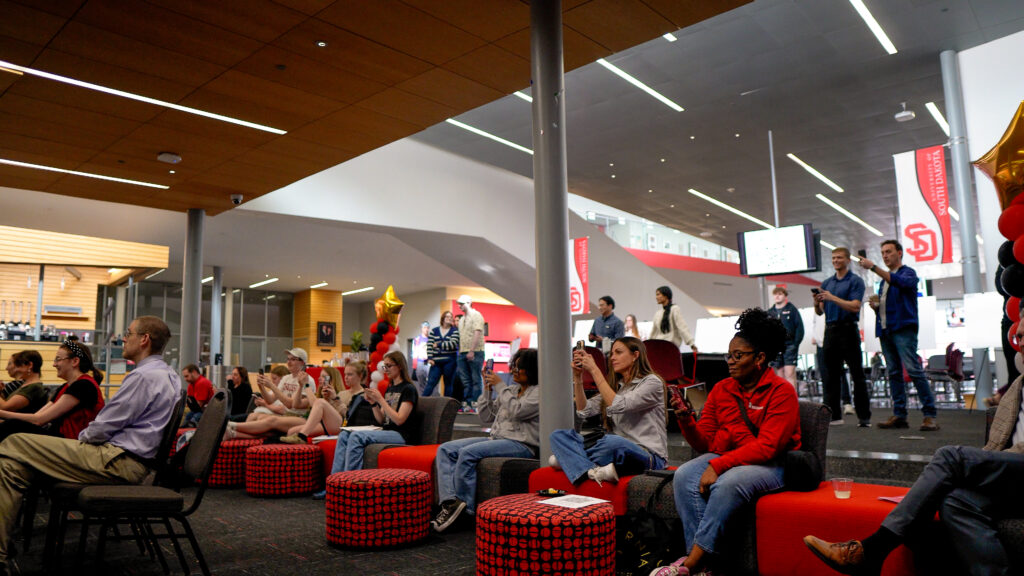
“Other teams filled the rooms as audience members, offering quiet support and camaraderie,” he said. “It never felt cutthroat.”
What comes next
A weekend like this does not build companies.
But it does make something visible.
Students who can build under pressure. Teams that can move from idea to prototype to pitch in two days. A level of technical depth that exceeds expectations.
And alongside that, a gap that is just as clear: what happens after.
If the hackathon reveals capability, what comes next determines whether it turns into something durable.
At USD Sioux Falls, that next step is being shaped deliberately.
“Every new program we offer at this campus is tied to a regional workforce need,” said Jay Perry, vice president for USD – Sioux Falls, in a recent interview on the campus’s growth and role in the Discovery District.
The hackathon did not create the pipeline, but it made part of it visible.
“The students started working on their projects on Saturday, and the presentation was Sunday afternoon,” Niamba said. “I asked a few of them if they had enough time to rest, and one of them said, ‘yeah, we slept early yesterday…like around 1.’”
“So they barely slept, but they committed to finishing the project, and I respect that.”
The students showed up ready to build.
The question now is whether the system around them is ready to meet them there.