
Across the Midwest, cities are re-imagining how people, ideas, and industries connect. Communities of innovation—also called research parks or innovation districts—bring together universities, private companies, and civic leaders to accelerate discovery, entrepreneurship, and job creation.
These districts are redefining what economic development looks like. Rather than isolated R&D centers, they build entire ecosystems where researchers, startups, and industry partners collaborate in close proximity. Recent visits to facilities in Wisconsin, such as the University of Wisconsin–Milwaukee Prototyping Center in UW–Milwaukee Accelerator, illustrate how these environments foster resource-rich prototyping and industry collaboration, drawing parallels to emerging hubs in South Dakota.
Defining an Innovation District
An innovation district is a master-planned environment that integrates research, business, education, and quality of life. Successful districts share a few key characteristics:
- Anchor institutions like universities or hospitals.
- Flexible spaces for startups and established companies.
- Shared infrastructure—labs, fiber internet, prototyping facilities.
- Public-private partnerships to fund and manage development.
- Community access that invites collaboration and inclusion.
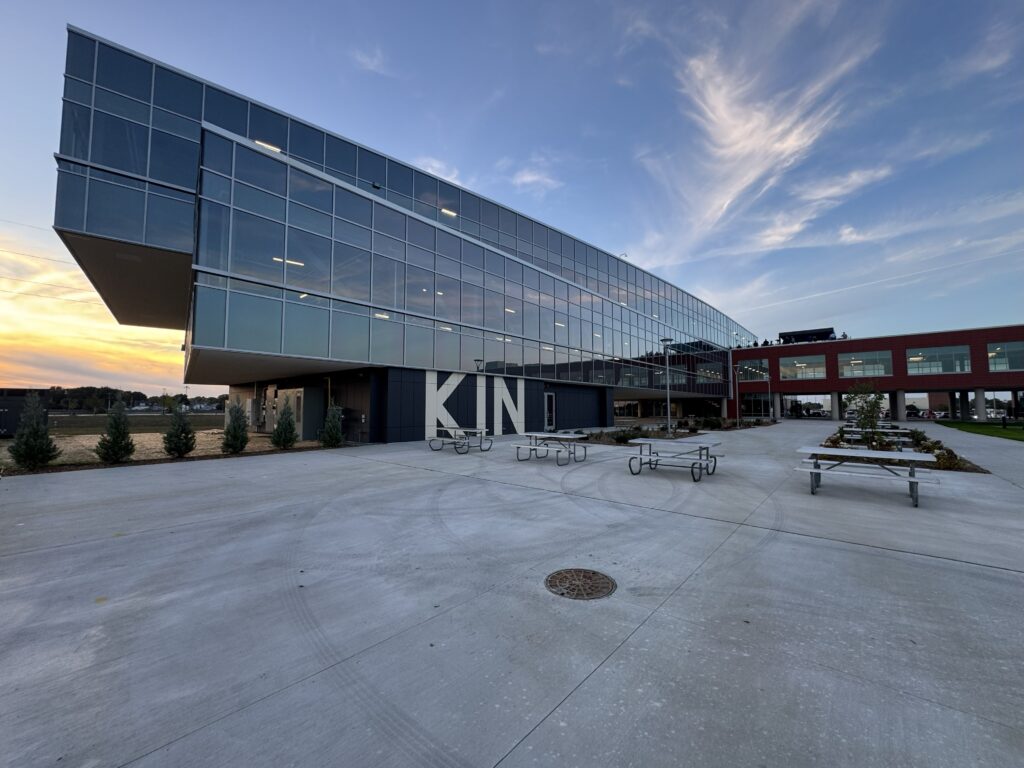
Examples across the region include the Kenosha Innovation Neighborhood (KIN) in Wisconsin and the USD Discovery District in South Dakota—each with unique missions but shared intent to accelerate regional innovation.
According to the Association of University Research Parks (AURP), these communities of innovation play a critical role in connecting universities, companies, and governments to drive discovery and economic development.
Lessons from Kenosha Innovation Neighborhood
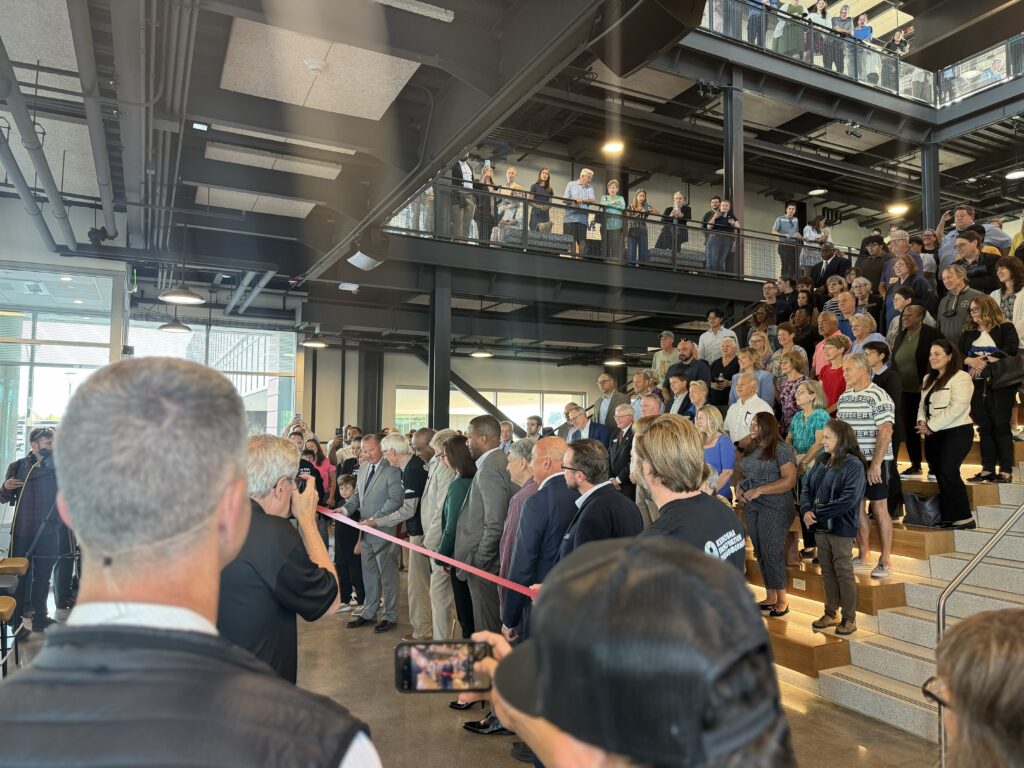
In October 2025, Kenosha opened the doors to its 64,000-square-foot Innovation Center, transforming the former Chrysler engine plant into a dynamic mixed-use campus. Supported by a $23.5 million investment, KIN now hosts early biotech and tech tenants and partners with entities like Microsoft to deliver workforce programming and business acceleration. The grand opening event on October 1, 2025, celebrated by Governor Evers, highlighted a vital truth: community investment fuels innovation. KIN’s success demonstrates the importance of collaboration between public funding, university partnerships, and community engagement.
About 12 miles northwest of Kenosha demonstrated even more regional growth such as the pre-developed infrastructure originally laid by Foxconn that attracted Microsoft’s newest and largest AI datacenter. These once speculative projects prove essential for site readiness and investment attraction. Overall, this aligns with broader Midwest strategies, where fiscal conservatism and modest stewardship of resources, as seen in South Dakota, contrast with more assertive marketing approaches.
What Drives a Research Park’s Success
Whether in Kenosha or Sioux Falls, successful innovation ecosystems share these core drivers:
- Mission Clarity: A shared vision that aligns academia, industry, and government, as evidenced by the USD Discovery District market studies incorporating analytics on public and private sectors, and insights from life science industry trends.
- Infrastructure Investment: Facilities and neighborhood developments that serve startups, established enterprises, and community.
- Community Activation: Engaging residents and local organizations in the innovation journey, addressing proximity challenges through partnerships.
- Talent Pipeline: Strong ties to universities and workforce training programs.
- Sustained Leadership: Champions who nurture partnerships and reinvest in growth, focusing on biosciences niches and identifying “diamonds in the rough” success stories.
These elements transform real estate into opportunity—turning science into economic impact.
How USD Discovery District Is Building the Future of Bioscience Innovation in the Midwest
At the USD Discovery District, those same principles are already in motion. By close proximity to the University of South Dakota Sioux Falls campus, the District connects researchers, entrepreneurs, and private industry across an 80-acre campus designed for biotech and life sciences innovation in the Midwest.
With Building 1—a 50,000-square-foot facility—now open since January 2025 and new digital infrastructure connecting partners, the USD Discovery District is shaping a future where bioscience have access to top-tier facilities, data-driven systems, and a collaborative community.
In contrast to other regional innovation districts, the USD Discovery District plays a pivotal role in advancing the bioscience and life sciences sectors across rural America.
From Systems to Story — The Next Phase of Innovation
From Kenosha to Sioux Falls, innovation hubs succeed when vision meets community. As the USD Discovery District continues to grow, its leadership is focused on translating a decade of planning into a measurable, connected impact—where every lab, partnership, and data point contributes to a thriving regional bioscience economy.
Innovation is not constructed in isolation; it flourishes through collective effort and sustained collaboration.